Axle Count · Steel Grade · FOB vs CIF
Semi Trailer Price: What Actually Sets the Quote
A semi trailer price is not one number — it moves with axle count and brand, main beam steel grade, suspension and brake spec, and whichever options get added to the base build. This page breaks down what actually decides the quote, then routes you to the price guide for your specific trailer type.
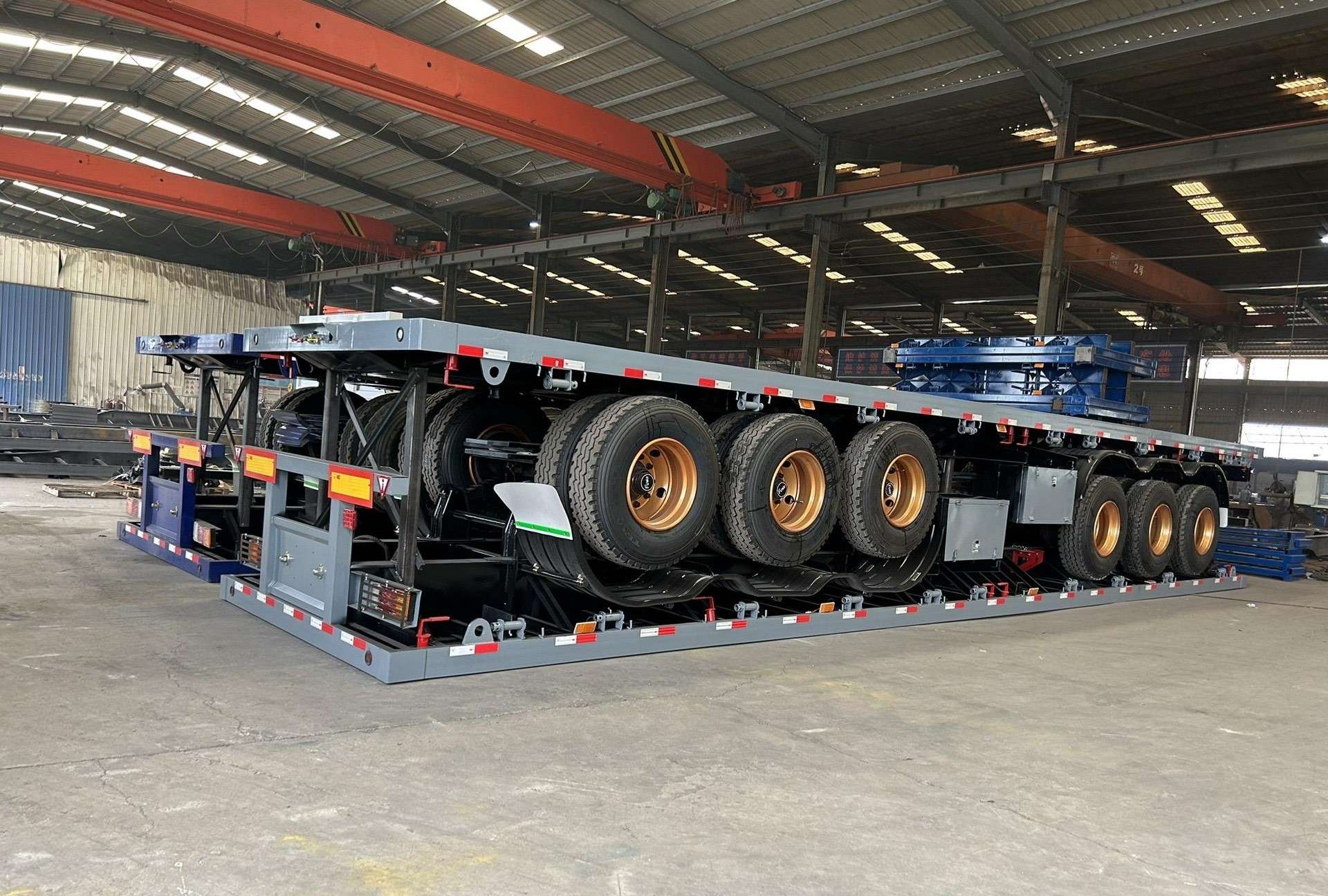
Over 10 years of manufacturing excellence, trusted by clients in 50+ countries.
A semi trailer price is not one number — it moves with axle count and axle brand, the steel grade in the main beam, the suspension and brake spec, and whichever options get added to the base build. Two trailers that look identical in a photo can carry a materially different quote once one order specifies BPW axles and air suspension and the other ships standard FUWA axles on mechanical leaf spring.
This page walks through what actually sets the number so you can spec a trailer that matches your route and budget, then send us the details for a quote. For trailer types with variable body — tankers, tippers, flatbeds and lowbeds — see the dedicated price pages linked below.
What Actually Moves a Semi Trailer Quote
Axle count and brand. Two axles suit lighter, regional loads; three or more axles push the payload rating up and add tare weight and cost. FUWA and BPW are the two axle brands export buyers ask for by name — both are available across our range, and the choice affects lead time more than it moves the quote on its own.
Main beam steel and tare weight. Q345B is the standard high-strength steel for main beams across flatbed, tanker and container chassis platforms; heavy-haul lowbeds step up to Q345B or Q420B box girder construction. A lighter tare weight leaves more of the gross combination weight for payload, which is why two quotes at the same headline payload number can still differ once tare weight is checked.
Suspension, brakes and options. Mechanical leaf spring is the standard suspension for unpaved and mixed-surface export routes; air suspension is available where ride quality or axle-load sensors are required. Every trailer ships with a dual-line air brake system and WABCO valves as standard — ABS, extra lashing points and paint spec are the usual options that move a quote up from the base build.
FOB vs CIF: Why the Landed Number Moves With the Port
We quote both incoterms. FOB (Free On Board) covers the trailer to the port of loading in China — you arrange and pay for ocean freight and insurance from there. CIF (Cost, Insurance and Freight) bundles ocean freight and insurance into our quote, landing the trailer at your destination port with one number to plan against.
CIF quotes vary by destination port because ocean freight rates do — a port with regular container or RoRo service to China lands the trailer for less than one that needs transshipment. Tell us your destination port and we'll confirm which incoterm gets you the better landed number.
New vs Used: Where the Difference Really Sits
We build and export new trailers only, not used units. A used semi trailer at a lower asking price can still make sense for a buyer on a tight budget, but the real question is what condition the axles, main beam and brake system are in after their first duty cycle — none of which shows up in a listing photo. Weld fatigue on a used main beam and worn kingpin bushings are the two failure points that cost the most to fix after the sale, and neither is easy to inspect from overseas.
A new trailer ships with a factory test certificate and axle and brake components rated to their original spec rather than however many years of prior duty cycles they've already absorbed. For buyers weighing a used unit against ordering new, the honest comparison is total cost over the trailer's working life, not the number on day one.
Price by Trailer Type
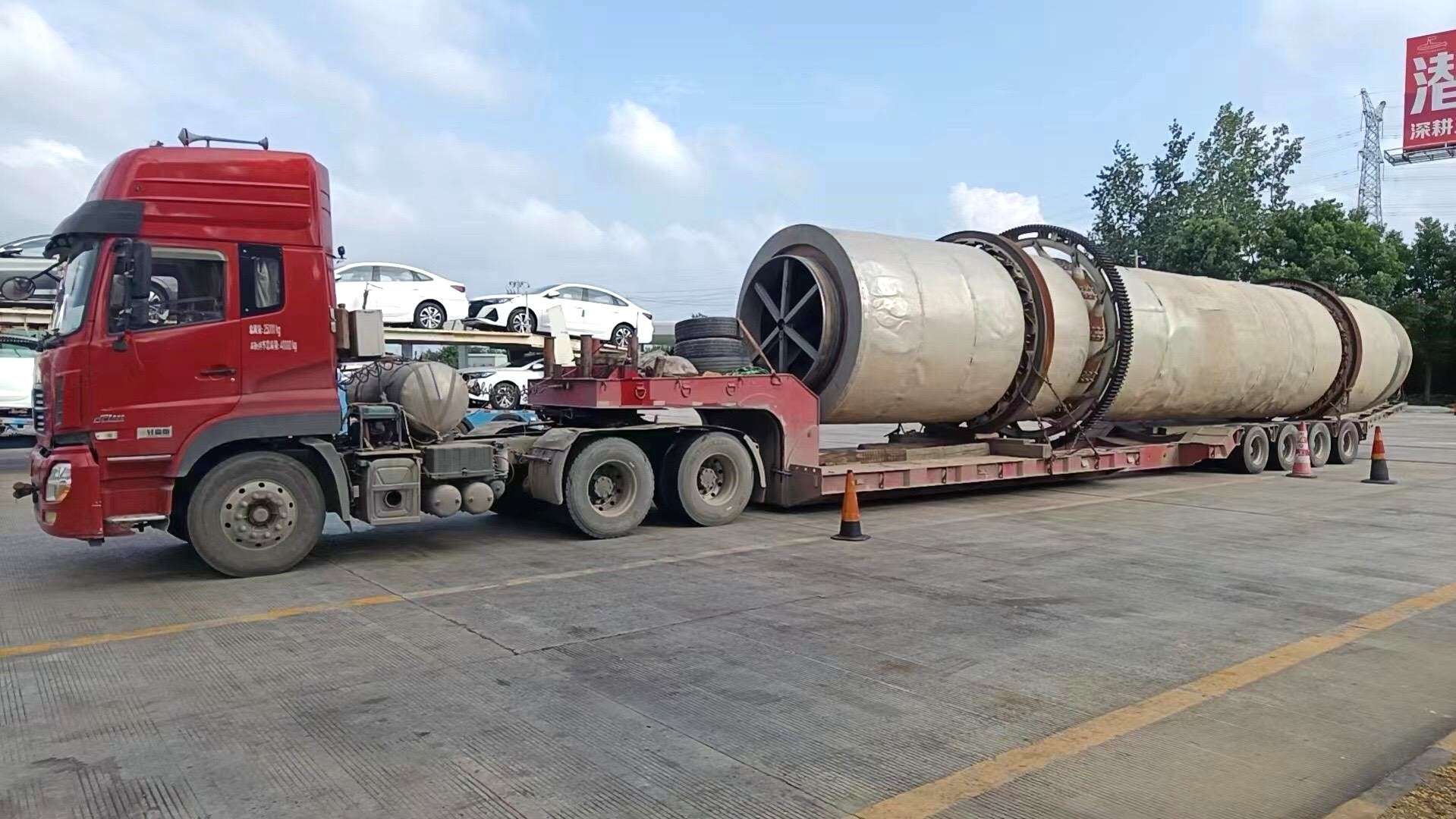
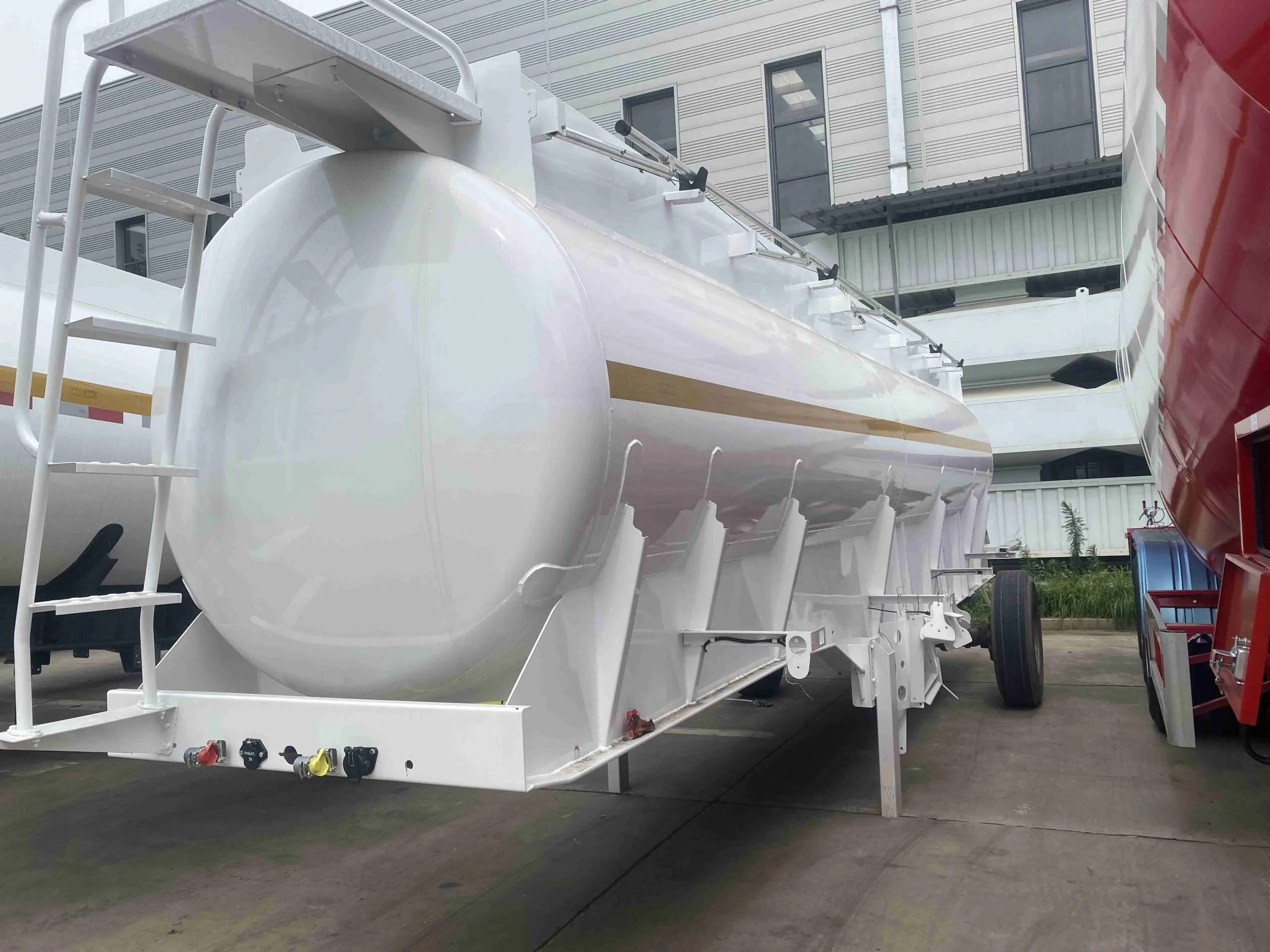
Each trailer type prices differently because the factors that move its quote are different. See the flatbed trailer price guide for deck and axle options, lowbed trailer price for gooseneck and heavy-haul axle configurations, tanker trailer price for tank material and compartment count, and tipper trailer price for body material and hydraulic lift options. For the full range across every configuration, see our flatbed, lowbed, tanker and tipper trailer pages.
Frequently Asked Questions
What determines a semi trailer's price?
Axle count and brand, main beam steel grade, tare weight, suspension type, brake spec, and any options like ABS or extra lashing points. Tank or body-specific factors apply on top of these for tankers and tippers — see the dedicated price pages for those.
Is FOB or CIF the better quote to ask for?
It depends on your destination port and whether you already have a freight forwarder. FOB gives you control over the ocean leg if you have a forwarder relationship; CIF gives you one landed number if you don't. Tell us your port and we'll confirm which works out better.
Should I buy new or a used semi trailer?
We only build and export new trailers, so we can't speak for a specific used listing. What we'd flag is that weld fatigue on the main beam and worn kingpin bushings are the two failure points hardest to inspect from overseas — factor the risk of both into any used-versus-new comparison.
How fast can I get a quote?
Send us the trailer type, axle count and destination port and we'll return a quote within 24 hours. Most standard configurations ship 20-35 days from order confirmation; custom paint or compartment layouts add to that.
Get a Quote
Interested in This Product?
Tell us the trailer type, axle count and destination port — we'll quote FOB or CIF within 24 hours.
Chat on WhatsAppor contact our engineers directly: info@sigma-trailer.com