Fuel or Water · Steel, Aluminum or Stainless · FOB/CIF
Tanker Trailer Price: What Decides the Quote
A tanker trailer price is set mostly by tank material and volume, then by compartment count. Covers both our fuel tanker trailer and water tanker trailer lines, plus what to weigh before buying a used unit.
Over 10 years of manufacturing excellence, trusted by clients in 50+ countries.
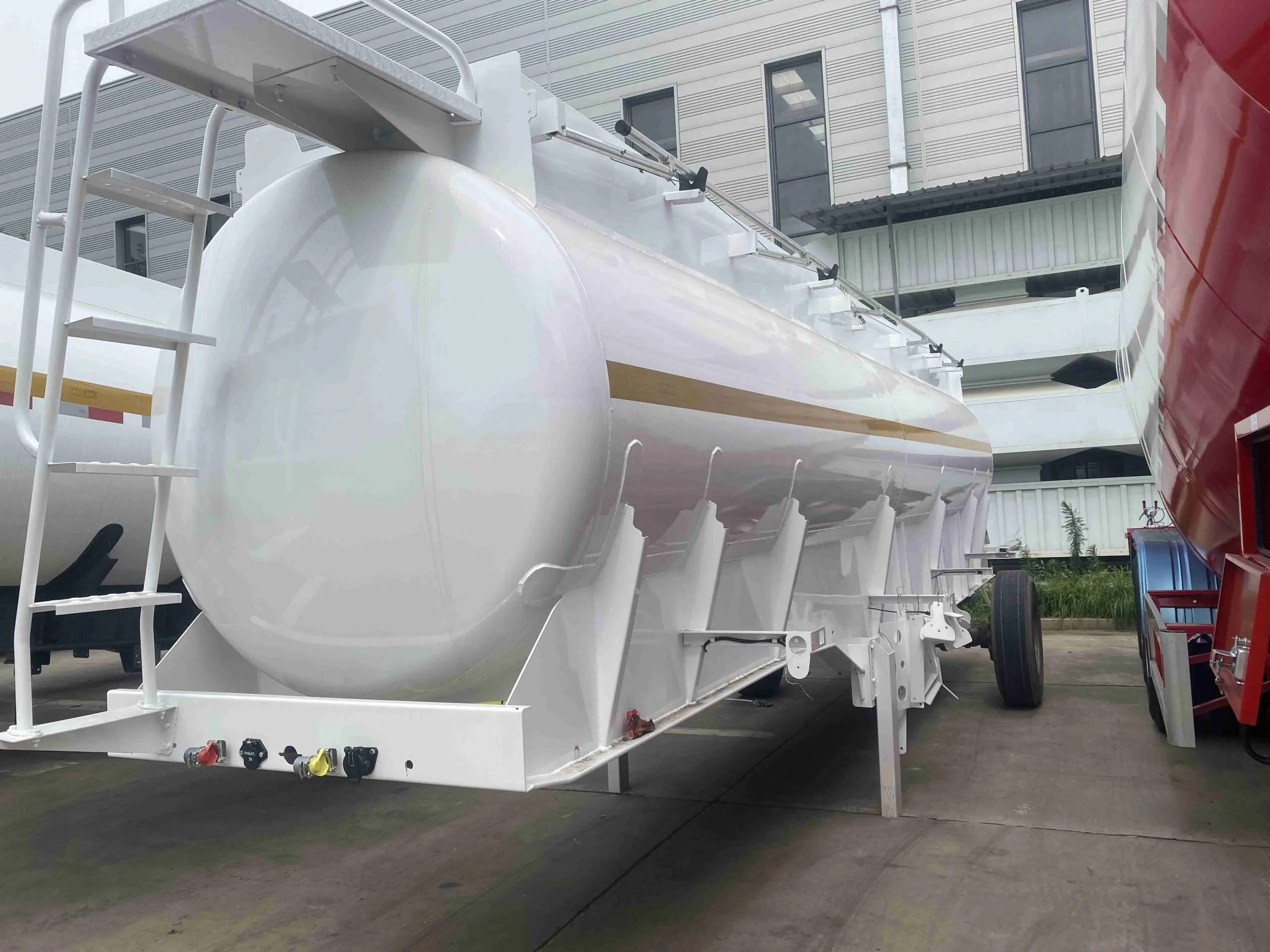
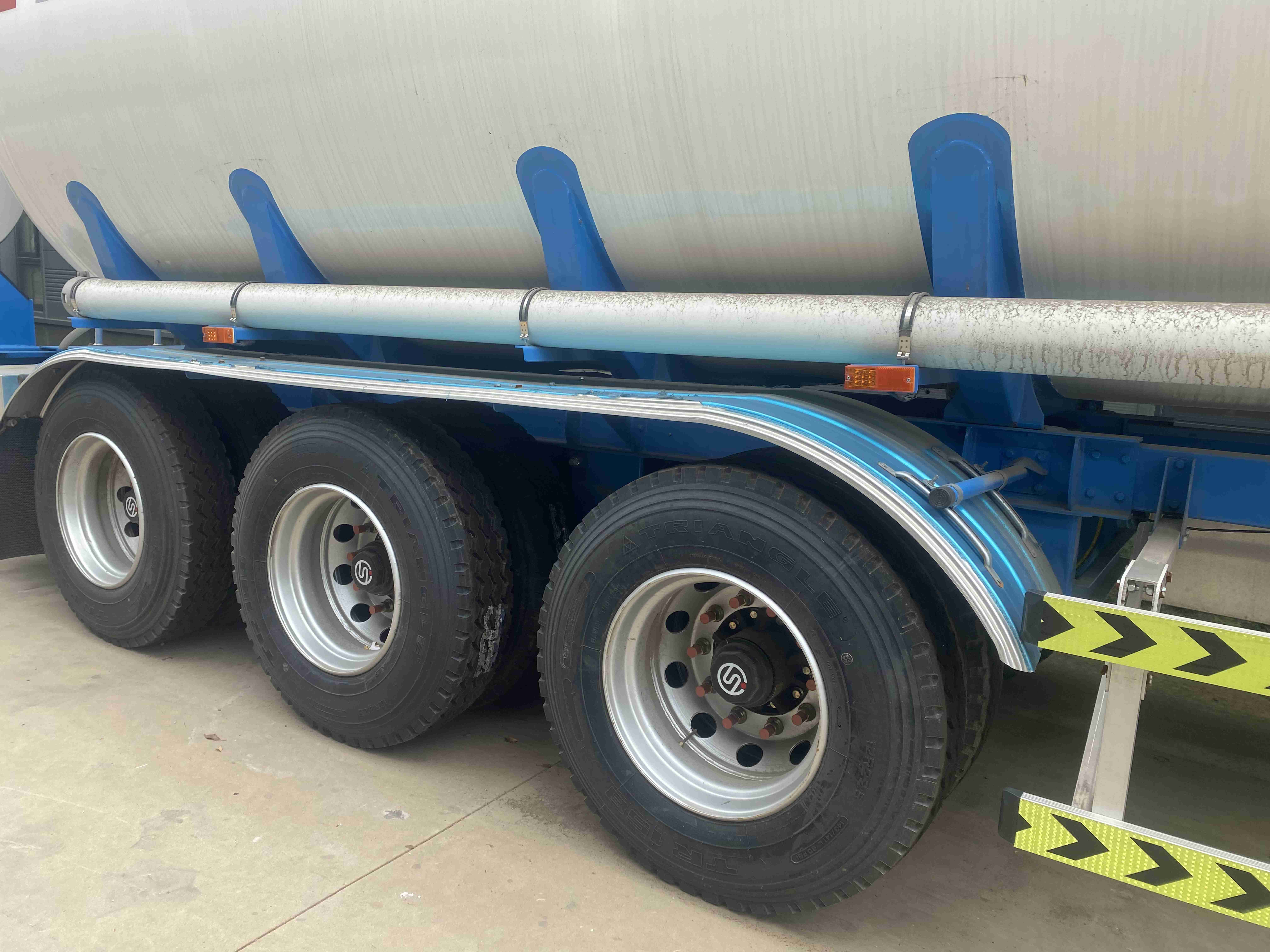
A tanker trailer price is set mostly by tank material and volume, then by compartment count if you're hauling more than one liquid grade. A fuel tanker and a water tanker share the same chassis platform underneath, but the tank shell itself is where most of the price difference between two quotes actually sits.
This covers both our fuel tanker trailer and water tanker trailer lines.
Tank Material Is the Biggest Factor
Fuel tankers ship in Q345B carbon steel or 5083 aluminum alloy — aluminum weighs less at the same volume, leaving more of the gross weight limit for actual payload, which is why long-haul operators chasing maximum volume per trip often spec it despite the higher unit cost. Water tankers use Q235 carbon steel for raw or non-potable water, or 304 stainless steel for drinking water and food-grade hauling. Stainless costs more than carbon steel but is the standard requirement for potable water contracts.
Capacity and Compartment Count
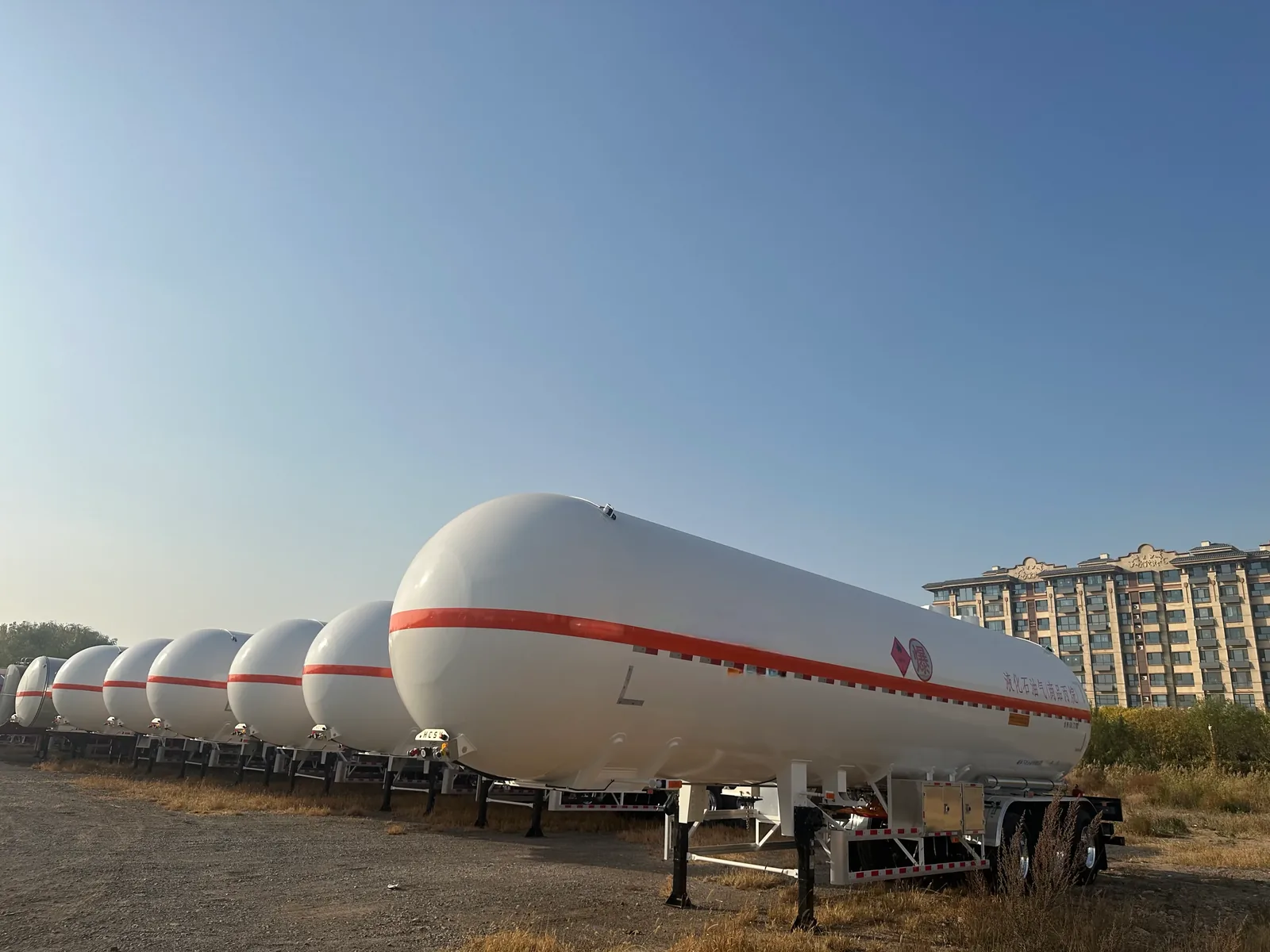
Fuel tankers in our range run 30,000 to 60,000 liters across 3 to 5 compartments — one compartment per fuel grade moved on a typical trip keeps diesel, gasoline and kerosene from cross-contaminating. Water tankers run 20,000 to 35,000 liters, usually as a single tank since most water hauling doesn't need to segregate grades. More compartments at the same total volume means more manholes, baffles and fittings, which adds to the build regardless of tank material.
New vs Used Tankers
We build and export new tankers only. A used water or fuel tanker at a lower asking price is tempting, but the tank interior is the part that's hardest to verify from overseas — internal corrosion in a carbon steel tank, or baffle and weld condition after years of surge loading, rarely shows up in a listing photo. New tankers ship with a hydrostatic test certificate and weld inspection report; a used unit typically doesn't come with either. Factor that inspection gap into any second-hand comparison.
FOB, CIF and Lead Time
We quote both incoterms, and landed cost under CIF depends on your destination port's freight rate to China. Standard fuel tanker configurations typically ship 30-35 days from order confirmation; custom compartment layouts or paint run closer to 45 days. For dedicated capacity guides, see our fuel tanker capacity, 5,000 liter, 10,000 liter and 20,000 liter water tanker pages.
Frequently Asked Questions
Does aluminum or steel change the tanker's price more?
Aluminum costs more upfront than carbon steel at the same volume, but it weighs less — which leaves more of your gross weight limit available for payload. Long-haul fuel operators moving maximum volume per trip usually find aluminum pays back faster than short regional routes do.
Why does a water tanker cost less than a similarly sized fuel tanker?
Fewer compartments and simpler fittings, mostly. Fuel tankers typically ship with 3-5 baffled compartments and bottom-loading API valves for terminal turnaround; water tankers usually run a single tank with a rear gravity discharge valve, which is a simpler build.
Should I buy a used tanker to save money?
We only build new tankers, so we'd flag rather than answer this directly: tank interior condition — corrosion in carbon steel, baffle and weld integrity — is the hardest thing to verify in a used listing from overseas. A new tanker ships with a hydrostatic test certificate and weld inspection report that a used unit typically won't have.
How many compartments do I need for fuel hauling?
One per fuel grade moved on a typical trip. Hauling only diesel needs fewer, larger compartments; moving diesel, gasoline and kerosene on the same route needs 3-5 so grades never mix in transit.
Get a Quote
Interested in This Product?
Tell us your liquid, grade count and destination port — we'll spec tank material and quote CIF.
Chat on WhatsAppor contact our engineers directly: info@sigma-trailer.com