Carbon Steel or 304 Stainless · Baffled Tank · 2 or 3 Axle · CIF Export
20,000 Litre Water Tanker Trailer
A 20,000 litre tank is the size most municipal and site-water fleets settle on — enough range to be worth the trip, light enough that a loaded unit still passes an axle-load check.
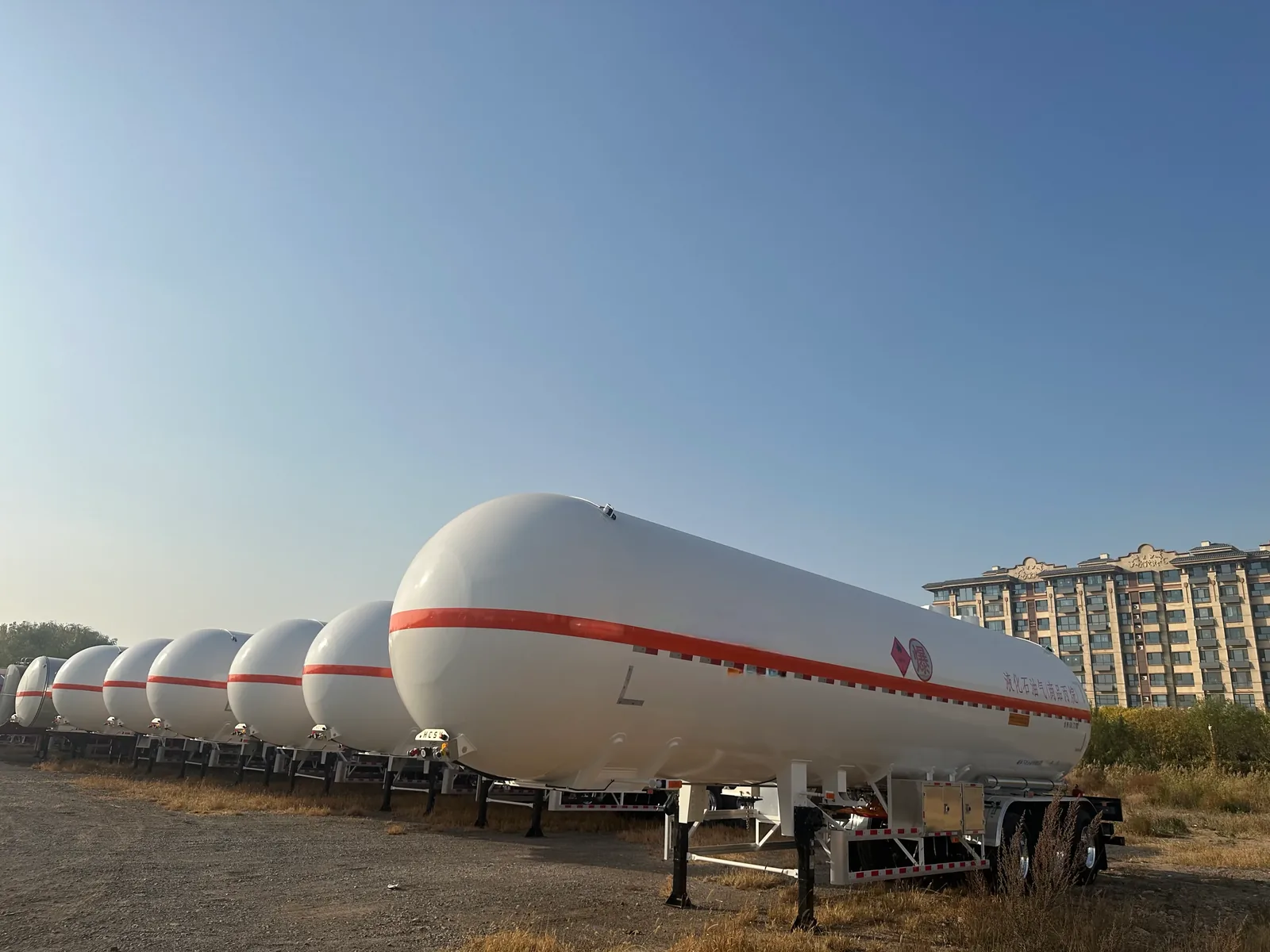
Over 10 years of manufacturing excellence, trusted by clients in 50+ countries.
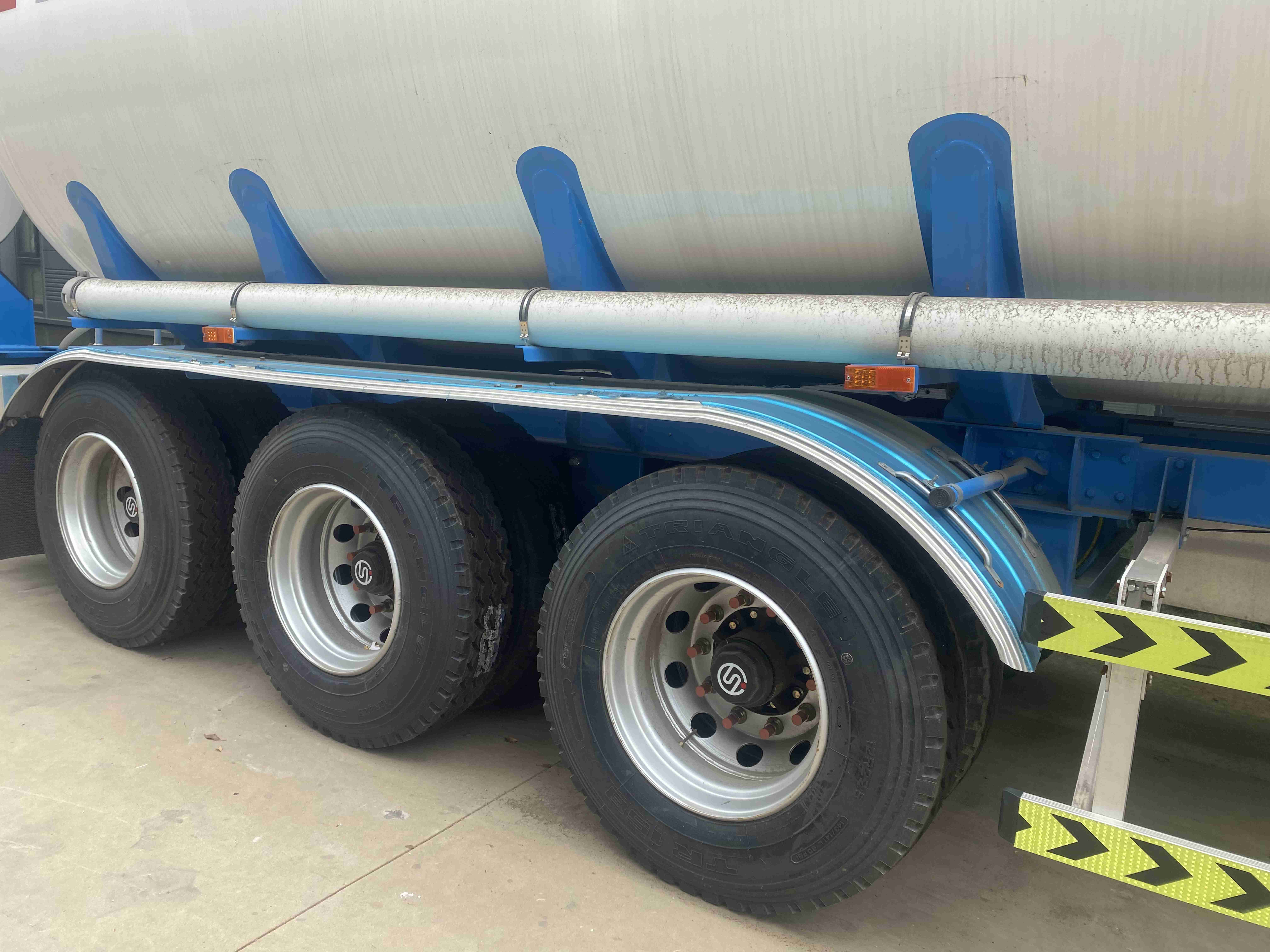
Twenty thousand litres of water weighs 20 tons. Add a 7.5 ton trailer and you are at 27.5 tons before the tractor — which is why this size runs comfortably on 2 axles in markets with a 40 ton gross limit, and why buyers who ask for a 30,000 litre tank often end up ordering 20,000 once we run their local axle limits with them.
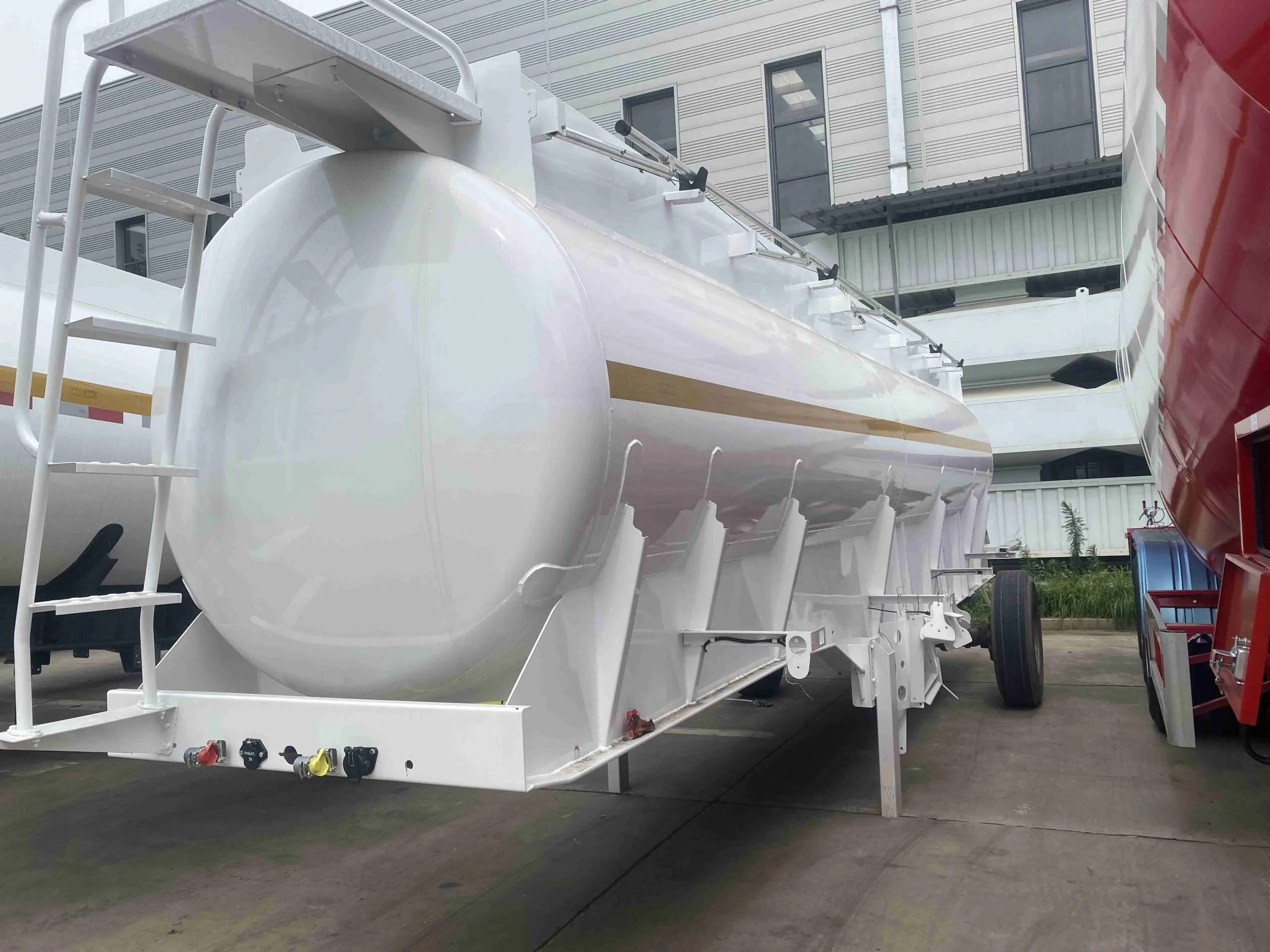
The build is straightforward and that is the point: a baffled tank, a rear gravity discharge, a manhole with a breather, and a ladder. What varies is the steel.
Carbon Steel or Stainless — Decide by What Is in the Water
Q235 carbon steel is the default and covers most of what this trailer does: construction site dust suppression, irrigation delivery, mine haul road watering, non-potable municipal supply. Lower cost, easy to repair with a welder anywhere.
304 stainless is for drinking water and anything a health inspector will look at. It costs more and it is heavier, but carbon steel tanks that carry potable water start shedding rust into the load within a year or two, and no lining survives the pressure washing these tanks get.
If the water is drinking water, order stainless. If it is going on a road or a field, carbon steel is the correct choice and the extra money is better spent on the pump.
Baffles Are Not Optional at This Size
A 20,000 litre tank that is half full contains 10 tons of water that will move when the driver brakes. Without internal baffles that surge hits the front head of the tank hard enough to push the whole rig — this is how tankers jackknife on downgrades. Every tank we build gets transverse baffles with flow openings, which slows the surge without trapping water when the tank is drained.
Ask any supplier quoting you a cheaper tank how many baffles it has. It is the most common place cost gets cut and the one you cannot see from a photo.
Discharge and Pump Options
Rear gravity discharge — standard. A DN100 or DN150 valve at the rear, fastest way to dump a load on a road or into a reservoir.
Sprinkler bar — rear-mounted spray bar for dust suppression on unpaved haul roads and construction sites. The most requested option on mining orders.
Self-priming pump — needed if you fill from a river, borehole or open reservoir rather than from a hydrant. Engine-driven or PTO-driven.
Side discharge and hose reel — for rural potable delivery where the tanker fills household tanks.
Tell us how the tanker gets filled and how it gets emptied; that determines the fittings more than the tank size does.
Other Tank Sizes
We build the water tanker semi trailer from 20,000 to 35,000 litres. Below 20,000 litres a rigid water tank truck usually makes more sense than a semi trailer — it is more manoeuvrable on site and does not need a tractor unit sitting idle while the tank fills.
Frequently Asked Questions
How much does a 20,000 litre water tanker weigh when full?
About 27.5 tons — 20 tons of water plus 7.2-8.5 tons of trailer. Add your tractor unit's weight to check against the gross vehicle limit on your route. In most markets with a 40 ton limit this runs legally on 2 axles.
Can it carry drinking water?
Yes, with the 304 stainless tank. We do not recommend hauling potable water in a carbon steel tank — it will rust internally within a year or two of service and contaminate the load, regardless of any lining applied at the factory.
Is 20,000 litres the same as 20 cubic metres?
Yes. 20,000 L = 20 m³ ≈ 5,283 US gallons ≈ 4,400 imperial gallons. Buyers in different markets quote the same tank in all four units, so check which one your local regulation uses when you compare offers.
Can you fit a pump and sprinkler bar?
Yes, both are common options. Sprinkler bars are standard on mining and road construction orders; self-priming pumps are needed when filling from open water rather than a pressurised hydrant. Specify at order time — retrofitting means cutting into a finished tank.
What is the lead time?
Typically 25-30 days for carbon steel, 30-40 days for 304 stainless depending on plate availability. Tankers normally ship RO-RO; we quote CIF to most African and Middle Eastern ports.
Get a Quote
Interested in This Product?
Tell us what the water is for and how you fill the tank — we will spec the steel and fittings and quote CIF.
Chat on WhatsAppor contact our engineers directly: info@sigma-trailer.com